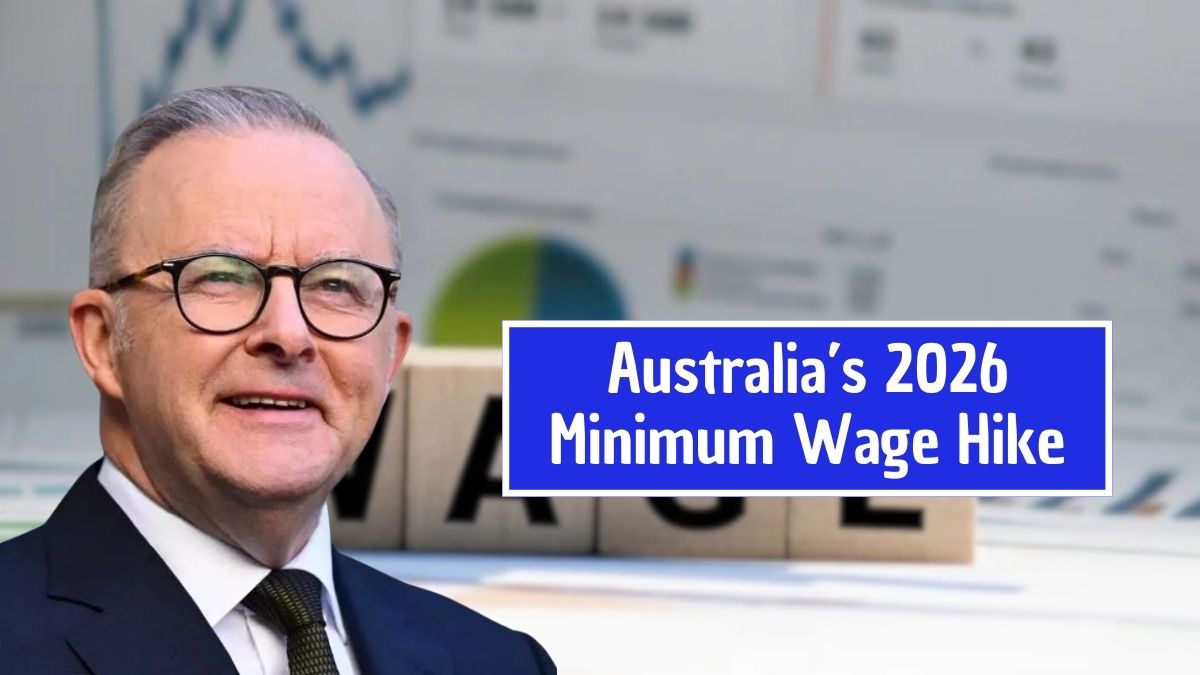
Australia’s minimum wage is set for another revision in 2026, affecting the earnings of millions of workers and the payroll obligations of thousands of businesses. These annual updates, led by the Fair Work Commission (FWC)*, ensure that wages keep pace with the rising cost of living, inflation, and economic realities. While the *next wage increase is not yet confirmed*, key details from the previous increase remain in effect until *30 June 2026*.
Last Confirmed Increase: What’s in Effect Now
The most recent increase was approved as part of the 2025 Annual Wage Review, with the national minimum wage raised by 3.5%. This came into effect from 1 July 2025 and will continue until the next scheduled increase on 1 July 2026.
As of now, the current national minimum wage stands at:
- $24.95 per hour
- $948 per 38-hour workweek
This pay rate applies to all employees not covered by an award or enterprise agreement.
When Will the New 2026 Wage Be Announced?
The Fair Work Commission typically reviews wages through its Annual Wage Review, which includes consultations with unions, employers, economists, and community groups. The 2026 minimum wage increase is expected to be announced in May or June 2026, and will be implemented starting 1 July 2026. Until then, the $24.95/hour rate remains unchanged
National Coverage: One Rate for All States
Unlike some countries, Australia uses a national minimum wage, meaning that the same rate applies across all states and territories. This includes:
- Queensland
- New South Wales
- Victoria
- Tasmania
- South Australia
- Western Australia
- Northern Territory
- Australian Capital Territory
Workers in every region receive at least the same base rate, eliminating regional disparities in wage standards.
Types of Pay in Australia in 2026
Australia’s wage system is divided into several categories, each with its own structure and rules. Here’s a breakdown:
1. National Minimum Wage
This is the basic pay for workers not covered by an award or agreement. It serves as the foundation of fair pay in the country.
2. Industry or Job-Based Awards
Awards are legal documents that outline minimum pay rates and work conditions for specific industries or occupations. Examples include:
- Retail Industry Award
- Pharmacy Award
- Hospitality Industry Award
Each award includes overtime rules, penalty rates, allowances, and hours.
3. National Training Wage
This rate applies to apprentices and trainees. Because they are still learning, their wages are generally lower but regulated to ensure fairness and support.
4. Enterprise Agreements
These are negotiated agreements between individual employers and employees. They set custom pay rates and working conditions tailored to the specific workplace, but cannot fall below national or award standards.
How the Wage Review Process Works
The Fair Work Commission conducts annual reviews to assess the adequacy of minimum wage rates. This process considers:
- Cost of living and inflation
- Productivity and business competitiveness
- Employment levels and economic growth
- Wage gaps across demographics and sectors
Following extensive analysis and consultations, a decision is made, and wage orders are issued for implementation by 1 July each year.
What to Expect from the July 2026 Increase
While the exact percentage increase for 2026 is yet to be announced, many expect it to be influenced by ongoing inflation, economic recovery measures, and cost-of-living pressures. Potential increase areas:
- Base rate might cross $25.50/hour
- Weekly minimum could rise above $980/week
These projections are not official but are based on wage trends in recent years.
Impact on Employers and Workers
For workers, minimum wage increases mean better purchasing power and greater support in covering essentials like housing, transport, and food.
For employers, particularly small businesses, these increases can affect labor costs, pricing strategies, and hiring capacity. It’s important for businesses to:
- Stay updated on announcements
- Plan for payroll adjustments
- Review enterprise agreements and awards
Annual Leave and Parental Pay Connection
While not directly tied to the minimum wage, parental leave and annual leave entitlements often calculate pay based on the base wage. The current weekly rate of $948 plays a role in determining:
- Parental Leave Pay (PLP)
- Annual leave accrual and payouts
Any change in the minimum wage from 1 July 2026 could also adjust these entitlements, making it critical for both employees and employers to stay informed.
Centrelink Benefit Changes Also Coming in 2026
In a related update, Centrelink benefits are also set to rise from 1 January 2026. While these are separate from minimum wages, the adjustments often align to maintain income support for unemployed and low-income Australians. This coordinated effort between the Department of Social Services and Fair Work Commission helps ensure no group is left behind.
Summary Table: Australia Minimum Wage 2026 Overview
| Component | Details |
|---|---|
| Current Hourly Rate | $24.95 |
| Current Weekly Rate | $948.10 |
| Last Confirmed Increase | 3.5% |
| Last Update Effective Date | 1st July 2025 |
| Next Wage Update Effective Date | 1st July 2026 |
| Wage Increase Status | To be announced (May–June 2026) |
| Authority | Fair Work Commission |