By the time her electricity bill arrived, Melbourne single mother Tanya Willis already knew the numbers wouldn’t work. Rent had gone up again. Groceries cost more than last month. School expenses were due. The bill was the final straw.
“I sat at the table and cried,” she said. “There’s nowhere left to cut.”
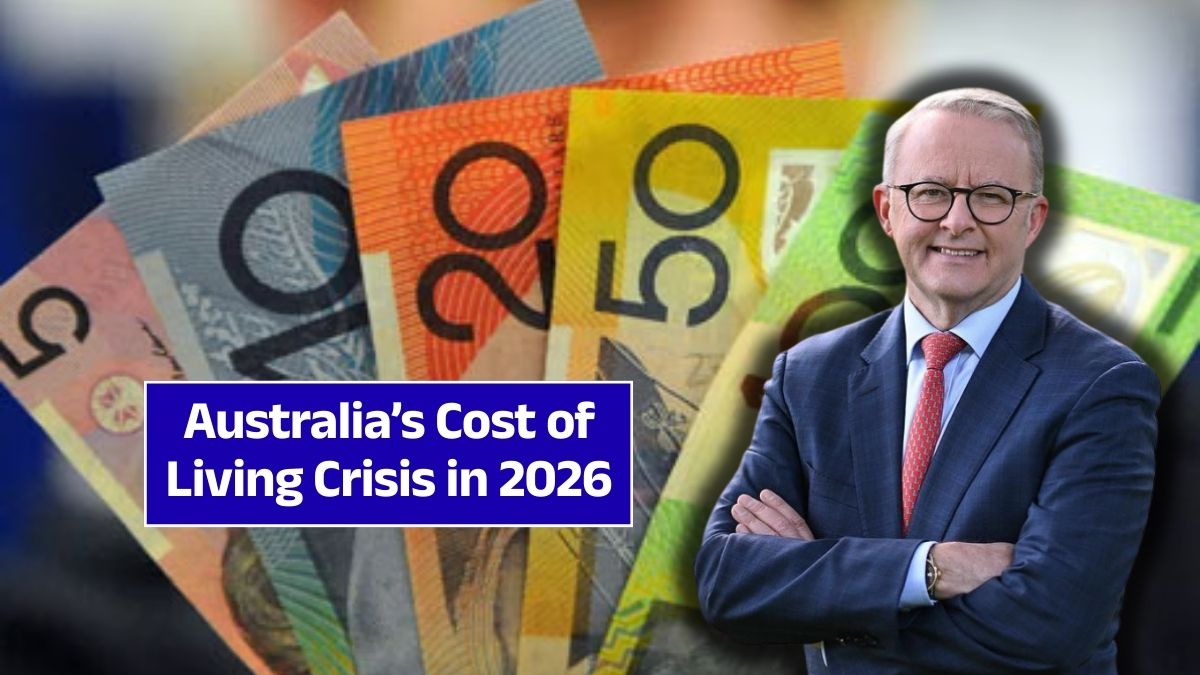
In 2026, stories like Tanya’s are no longer rare. Across Australia, the cost of living crisis has escalated into a full-blown national emergency. Once described as a mounting pressure, it is now crushing families, workers, retirees, and vulnerable communities—many of whom say they’ve never felt this exposed before.
What “Breaking Point” Looks Like in Real Life
This crisis isn’t about a single payment or bill. For millions, it’s about everything increasing at once.
Australian households report:
- Rent hikes consistently outpacing wage growth
- Grocery prices climbing weekly with no relief
- Electricity and gas bills staying stubbornly high
- Insurance premiums and council rates rising sharply
- Medical costs consuming more of the monthly budget
The result? One unexpected cost—like a dental procedure or car repair—can now tip an entire household into debt.
Essentials Are Eating the Majority of Incomes
Recent economic data shows that essentials like housing, food, and utilities are now dominating household budgets in ways not seen in decades.
For many Australians:
- Rent or mortgage expenses exceed 30–40% of total income
- Food and utility prices are growing faster than salaries
- Medical and out-of-pocket healthcare costs are rising steadily
Low-income families and retirees are particularly hard-hit, often spending more than two-thirds of their monthly income just to cover basics.
An economist noted:
“When essentials dominate your budget, you lose resilience. That’s where Australia is now.”
Renters Are Facing the Sharpest Pain
Among all groups, renters are under the most intense pressure in 2026.
They face:
- Yearly rental increases
- Shortage of affordable housing
- Higher bond and moving costs
- Less access to long-term lease security
Many say they’re just one rent hike away from homelessness, particularly in major urban areas and regional growth zones.
Having a Job No Longer Means Financial Security
One of the most alarming trends in this crisis is the fact that full-time employment is no longer a shield against financial instability.
Australian workers report:
- Pay raises are offset by increases in living costs
- Childcare fees negate any benefit from working overtime
- Transport and fuel eat into already stretched incomes
For self-employed, freelance, and casual workers, the unpredictability of income adds a further layer of stress, especially when costs remain fixed.
Retirees Struggling to Stay Afloat
Older Australians are increasingly speaking out about economic anxiety on fixed incomes.
They report:
- Aged pensions not keeping pace with real-world expenses
- Medical bills increasing with age
- Electricity and heating costs consuming a growing share of income
Without significant superannuation or mortgage-free housing, retirement is no longer a guarantee of financial stability.
Food Insecurity Reaches Middle-Class Homes
Community organisations and food banks say hunger is no longer a hidden issue.
More people are:
- Skipping meals to save money
- Choosing cheaper, nutrient-poor options
- Depending on food pantries and charity kitchens
- Cutting back on kids’ lunches or school meals
Parents admit food is often the first budget item to be reduced—even if it means sacrificing nutrition.
Real Stories From Australians on the Edge
- David Harper, a pensioner from regional Queensland, says he’s had to choose between paying his insurance premium or buying medicine.
- In Sydney, dual-income couple Rina and Mark Patel say that despite earning more than ever, they’ve stopped saving entirely.
“We’re worse off than we were five years ago,” said Rina. “The numbers just don’t add up anymore.”
These stories echo across the country—across income brackets, generations, and geographies.
Why Government Relief Isn’t Working
While federal and state governments have launched rebates, supplements, and one-off payments, Australians say these measures are falling short.
Common issues raised include:
- Relief is temporary and doesn’t address long-term inflation
- Eligibility rules exclude many struggling families
- Payments are quickly absorbed by existing bills
- Complex application systems deter those most in need
The gap between policy intentions and real-world conditions is widening.
How 2026 Compares to Life Just a Few Years Ago
| Spending Category | Before Crisis | During 2026 Crisis |
|---|---|---|
| Housing Costs | Manageable | Dominant expense |
| Grocery Spending | Predictable | Unstable and increasing |
| Emergency Savings | Common | Rare |
| Budget Buffer | Normal | Nearly vanished |
| Financial Stress | Occasional | Constant |
This side-by-side view helps explain why public sentiment has shifted from frustration to despair.
Mental Health Struggles Rise With Financial Pressure
The emotional toll of this economic crisis is impossible to ignore.
Australians are reporting:
- Persistent anxiety about bills and expenses
- Sleep disruptions due to financial stress
- Relationship breakdowns linked to money troubles
- Shame or guilt when seeking community support
Mental health professionals confirm that money-related stress is now one of the most common reasons people seek therapy or counseling.
Who’s Hurting Most in 2026?
While no group is untouched, those suffering the most include:
- Renters, especially single-income or single-parent households
- Elderly individuals without home ownership or adequate super
- Low- to middle-income earners with fixed expenses
- People with chronic illnesses, who face rising medical costs
What unites them is a limited ability to absorb financial shocks.
How Australians Are Trying to Cope
With few options left, households are resorting to drastic measures:
- Delaying or avoiding medical appointments
- Cutting down on heating or air conditioning
- Taking on personal loans or buy-now-pay-later debt
- Selling family assets earlier than planned
- Moving back in with parents or extended family
Experts warn that while these strategies offer short-term relief, they risk creating long-term vulnerability.
Is There Hope on the Horizon?
Analysts say some inflation indicators have begun to stabilise, but the core cost drivers—housing, energy, and healthcare—remain high.
Without deep policy reform and structural intervention, many fear the pressure will continue beyond 2026, with no quick relief in sight for Australia’s struggling households.
5 FAQ Questions and Answers
1. What is causing the cost of living crisis in Australia in 2026?
A combination of rising rent, grocery prices, energy costs, insurance premiums, and healthcare expenses is putting extreme pressure on households, outpacing wage growth and leaving families with shrinking financial buffers.
2. Who is most affected by the 2026 cost of living crisis in Australia?
Renters, single parents, retirees without assets, and low- to middle-income workers are among the hardest hit, due to limited capacity to absorb financial shocks.
3. Are full-time workers struggling too?
Yes. Even full-time employed Australians are reporting that their salaries can’t keep up with rising costs. Childcare, transport, and food expenses are eating into income, leaving little to no savings.
4. Why are government relief measures not enough?
Most relief payments are one-off or temporary. Eligibility rules often exclude struggling families, and many find that support arrives too late or is absorbed immediately by bills.
5. What are households doing to manage the crisis?
Australians are cutting non-essential spending, postponing medical care, using food banks, taking on debt, and in some cases, moving in with relatives to reduce costs.